Wild Edible Plants: A Beginner's Identification Guide
How to start foraging safely. Easy-to-ID wild edibles, the rules that keep beginners safe, and the poisonous lookalikes to learn before you eat.
The short version
- Never eat a plant unless you are 100 percent sure of what it is. When in doubt, leave it out.
- Start with a few easy, common plants like dandelion and clover that have no deadly lookalikes.
- Learn the dangerous lookalikes for any plant before you ever put it in your mouth.
- Forage only in clean spots, away from roads, sprayed lawns, and polluted water.
- A good field guide with clear photos beats memory. Confirm every plant with more than one feature.
To identify wild edible plants safely, start with a few common, easy-to-spot plants like dandelion and clover, confirm each one with a trusted field guide, and never eat anything you cannot identify with full certainty.
Foraging is a great skill. It is also one where a mistake can be serious. So the golden rule comes first: when in doubt, leave it out.
The one rule that keeps you safe
Never eat a plant unless you are completely sure what it is. Not “pretty sure.” Completely sure. Many safe plants have a dangerous twin that looks almost the same. A small mistake can make you very sick. If any doubt remains, do not eat it.
Easy plants for beginners
Start with plants that are common and have no deadly lookalikes. These are the safest place to learn.
- Dandelion. The whole plant is edible. Yellow flower, jagged leaves, grows almost everywhere. Hard to confuse with anything harmful.
- Clover. Three small round leaves and a puffy flower. Common in lawns and fields.
- Plantain (the weed, not the banana). Broad or narrow leaves with deep parallel veins. Grows in yards and along paths.
- Blackberries and raspberries. Well-known fruit on thorny canes. Easy and safe to recognize.
Learn these few well before you add anything new.
How to identify a plant
Never rely on one feature. Confirm a plant with several:
- Leaves: shape, edges, and how they sit on the stem.
- Flowers: color, shape, and number of petals.
- Stem: round or square, smooth or hairy.
- Smell and place: some plants have a clear scent or grow only in certain spots.
Use a field guide with clear photos and check more than one match. If your plant only fits part of the description, stop.
Learn the dangerous lookalikes
Before eating any new plant, learn what could be mistaken for it. A few well-known dangers:
- Wild carrot looks like poison hemlock, which is deadly. The difference is small.
- Many wild berries are toxic. Never eat a berry you cannot name.
- Some mushrooms can kill. Beginners should skip wild mushrooms entirely until they have real, hands-on training.
Where to forage
Pick clean spots:
- Away from busy roads and car exhaust.
- Away from sprayed lawns, parks, and farm field edges.
- Away from polluted or stagnant water.
Wash everything well before you eat it.
Common mistakes to avoid
- Eating on a guess. The biggest and most dangerous error.
- Relying on memory. Carry a guide and check.
- Trying mushrooms too soon. Save those for later, with proper training.
- Foraging dirty areas. Even safe plants pick up chemicals.
When a paid guide is worth it
Free apps and websites help, but a solid field guide with clear, full-color photos and a strong safety section is worth real money. It is what you confirm a plant against before you eat it.
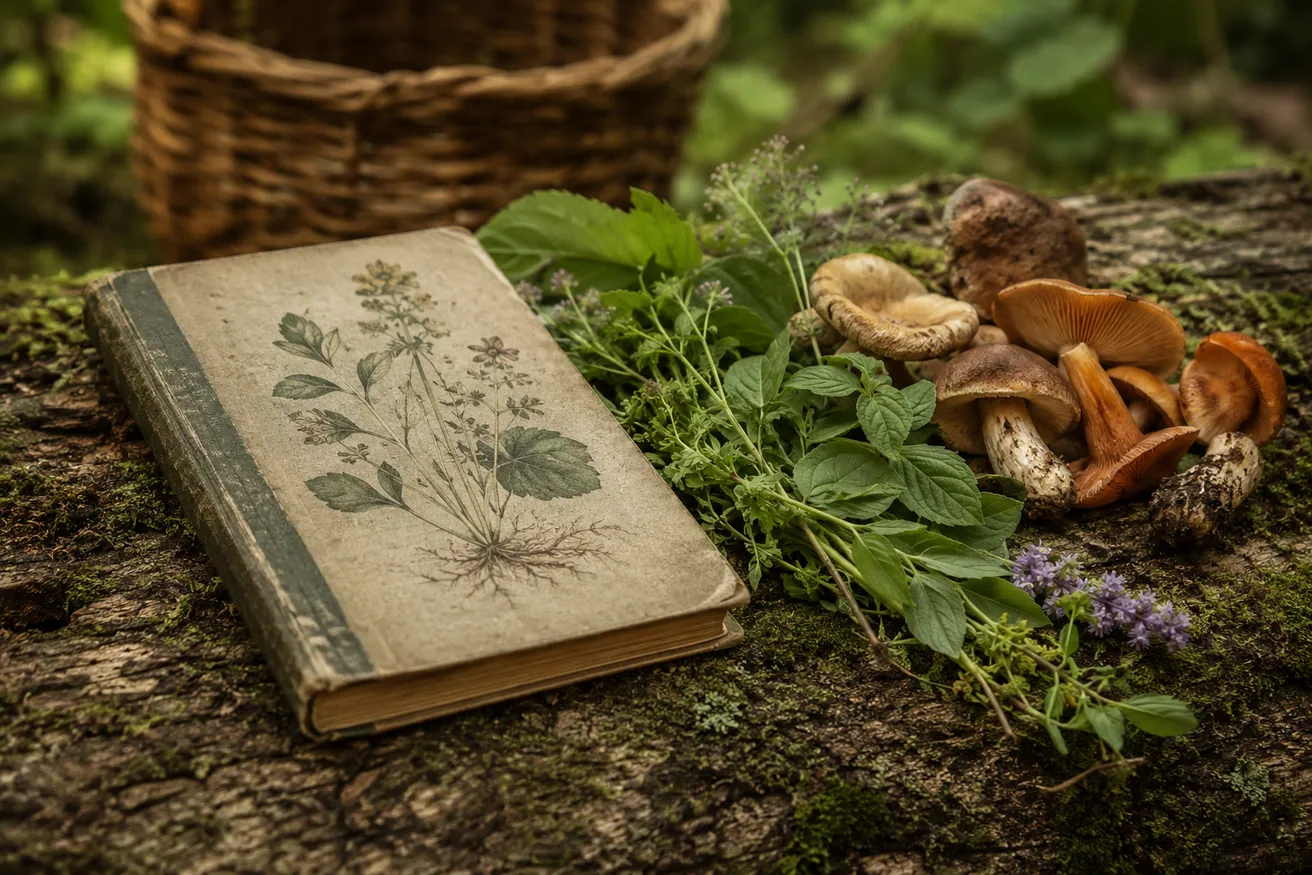
The Forager’s Guide to Wild Foods covers 400-plus plants with photos, flashcards, and a strong poisonous-plant section. Foraging Secrets is a paperback covering 100-plus North American plants with seasons and uses. The Foldable Forager adds a printable pocket card you can carry on walks. If you want specifics, see what Homesteading for Preppers actually includes.
For a full breakdown, see our comparison of the best foraging guides of 2026. A guide makes foraging safer and more fun, but the rule never changes: never eat a plant you cannot fully identify.
Our picks
 HIGHLY RATED
 Foraging Secrets
Beginners who want one physical book to start identifying common wild edibles
$24
Get it now →Affiliate link: we may earn a commission at no extra cost to you. How links work.
 HIGHLY RATED
 The Foldable Forager
First-time foragers who want a cheap, portable reference to common North American edibles
$14.99
Get it now →Affiliate link: we may earn a commission at no extra cost to you. How links work.
Compare them all
Sources & further reading
- USDA PLANTS Database — Official federal plant identification database used by botanists, educators, and extension services across North America
- FDA — Food Safety — FDA guidance on naturally occurring plant toxins and food safety principles relevant to handling and consuming foraged plants