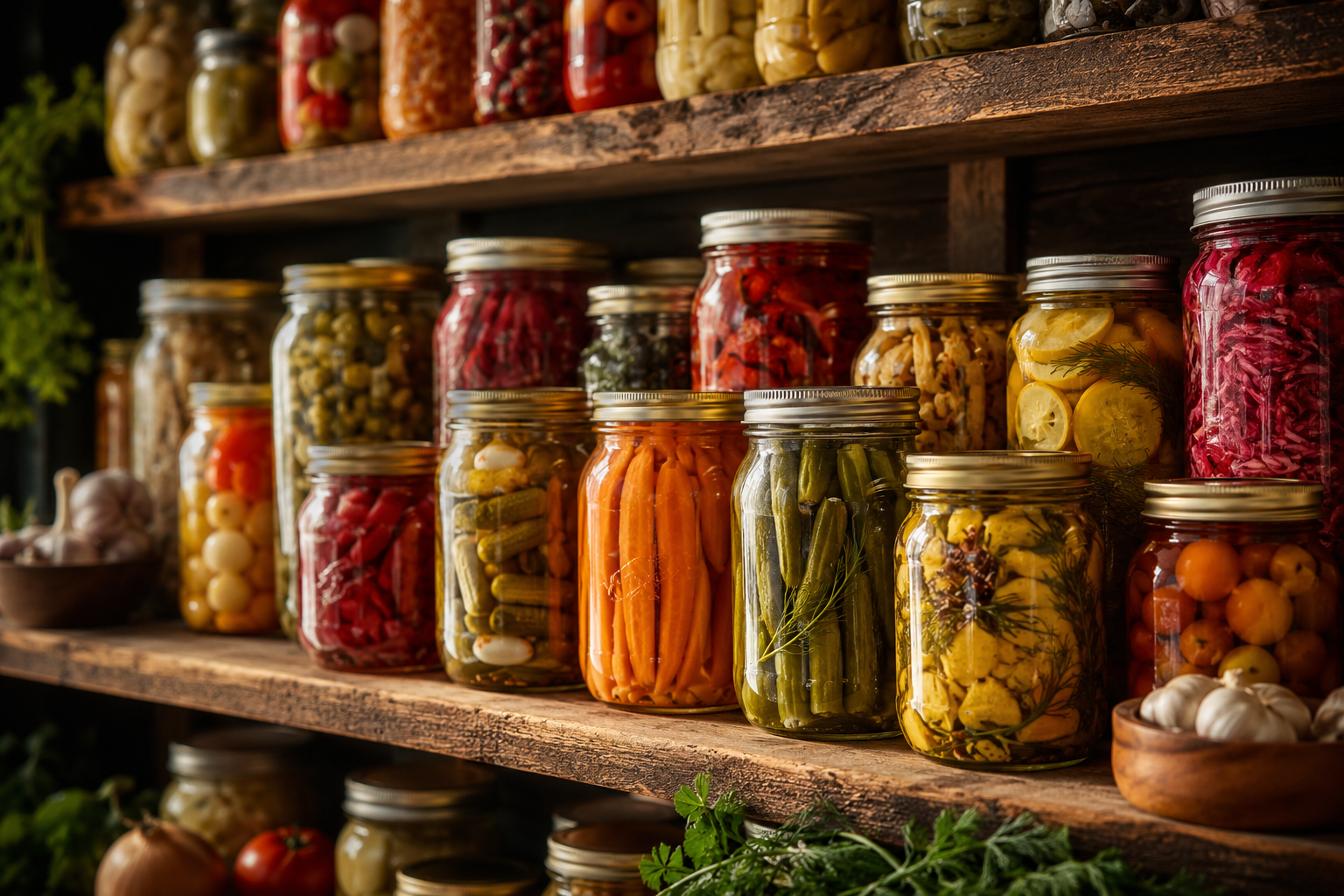
Food Stockpiling Challenge
Worth $27 for first-time preppers who want a daily to-do list to get moving: you get a clear 30-day plan that turns stockpiling into small daily steps, plus a printable inventory. Skip it if you already rotate a deep pantry and track expiration dates.
The short version
- Verdict: TOP PICK — a simple 30-day plan that gets first-time preppers moving fast.
- Price: $27 one-time
- Refund: 60 days, ClickBank-honored
- Best for: first-time preppers who want a daily checklist. Skip if: you already rotate a deep pantry.
- Bottom line: Food Stockpiling Challenge is a solid $27 starter plan for beginners, with a 60-day refund.
$27
Get it now →Affiliate link — we may earn a commission at no extra cost to you. How links work.
- Independently reviewed
- Editor-rated 7.3–9.2
- Read against the claims
- No PR copy · receipts only
Right for you if: First-time preppers who want a daily to-do list to get moving
You want to know what to buy first, in what order, and what you can skip.
— Cal Reiner, Structural welder, 20 yrs · 80+ programs bought & tested · Central Texas
Fair starting point. I read the page so you don't have to pay first to find out what's inside.
Before you buy
The three things actually worth knowing before you click — what protects you, what it costs, and how the billing works.
- Access Instant
Digital access is instant. You read it, then decide. Refund terms are listed in the quick facts above as a plain fact, not a reason to buy.
- What it costs $27
Entry price is $27. The vendor sets the price on their page. Check the current number before you buy so you know exactly what you’re paying.
- Billing One-time
One-time payment — no surprise rebills or hidden continuity charges to track later.
Bottom line
You get a clear 30-day plan that turns stockpiling into small daily steps, plus a printable inventory tracker, a two-week meal plan, and an accurate water-storage card. It is a strong, structured starter kit for $27.
- Price
- $27
- Refund
- 60 days · ClickBank-honored
- Billing
- One-time payment
What works
- You get a day-by-day plan that turns a big, scary task into small wins you can finish in a month
- The printable inventory tracker shows you exactly what you own and when it expires, which most preppers never bother to build
- The 30-day structure helps first-timers start fast instead of stalling on where to begin
- One simple $27 payment, with no surprise rebills at checkout
- The water-storage card is accurate and pulled straight from EPA and FEMA guidance
Where it fails
- Much of the guide rephrases free FEMA and USDA advice, so experienced preppers will see little new material
- The meal plan assumes a standard diet with no allergies; gluten-free, vegan, and medical-diet eaters will need to swap items
- Support is mostly a Facebook group of members posting pantry photos, not expert one-on-one help
- It is a starter kit, not a deep manual; it skips cooking without power, preserving, and long-term storage skills
Best for
- First-time preppers who want a daily to-do list to get moving
- Buyers who want a printable food-inventory system they will actually use
- Beginners who do better with structure and a step-by-step calendar
Avoid if
- You already rotate a deep pantry and track expiration dates
- You have dietary restrictions and want a meal plan built around them
- You want a deep, all-in-one preparedness manual rather than a starter checklist
What you actually get
- Main PDF guide (~80 pages, 30-day stockpile challenge with daily tasks)
- Printable food-inventory spreadsheet (fill-in-the-blank, tracks expiration dates)
- Two-week emergency meal plan with shopping list (assumes no dietary restrictions)
- Water-storage and purification quick-reference card (one page)
- Access to a private Facebook group (vendor-moderated, mostly motivational posts)
You get a clear 30-day plan that turns stockpiling into small daily steps, plus a printable inventory tracker, a two-week meal plan, and an accurate water-storage card. It is a strong, structured starter kit for $27. Refund: 60 days, ClickBank-honored.
What Food Stockpiling Challenge is, in one sentence.
A ~80-page digital stockpiling challenge with a printable inventory spreadsheet, a two-week meal plan, and a water-storage reference card, sold at $27.
The plan is a 30-day calendar of small actions: check your pantry, buy 10 extra cans, label your shelves. It takes the same facts FEMA and extension services publish and turns them into a routine you can follow. The value here is the order and the daily nudge, not secret knowledge.
Is Food Stockpiling Challenge worth it?
Yes. Food Stockpiling Challenge is worth it as a beginner starter plan at $27 one-time, backed by a 60-day refund. You get a clear 30-day calendar, a printable inventory tracker, a two-week meal plan, and an accurate water-storage card. For a first-time prepper who keeps stalling, that structure is exactly what gets you moving.
What you actually get
Here is what you get after the $27 purchase:
- The main guide. Around 80 pages, formatted for screen reading. Each day gets a short task, a why-it-matters note, and a fill-in section. The facts are drawn from ready.gov and USDA food-storage sheets, put into plain order.
- A printable food-inventory spreadsheet. This is the strongest piece. Columns for item, quantity, purchase date, expiration date, and location. Fill it out and you get a real picture of what you own. Most preppers skip this step.
- A two-week emergency meal plan with shopping list. Built around a standard diet: canned tuna, peanut butter, crackers, boxed milk, canned vegetables. If you have allergies or eat plant-based, you will swap items. Prices use 2025 grocery averages, so adjust as needed.
- A water-storage and purification quick-reference card. One page, front and back. Distillation, bleach ratios, container types. Accurate, pulled from EPA and FEMA guidance. Print and laminate it and it earns its place.
- Access to a private Facebook group. The vendor posts a weekly motivation note. The rest is members sharing pantry photos and asking where to buy Mylar bags. It is social accountability, not expert advice, and for some people that nudge helps.
What Food Stockpiling Challenge actually delivers
The sales page is built to sell, not to teach.
The “Hottest Market Trend” framing makes stockpiling sound like a brand-new insight. It is not new; FEMA has published food-storage guides for years. What is new for the buyer is the packaging: a daily plan, a tracker, and a meal list in one place. That packaging is the product, and for a beginner it does real work.
The unsourced stats on the sales page, like “95% of preppers want to bug in,” are persuasion hooks, not facts. Ignore the numbers and judge the product by what it hands you: a structured month of small, doable steps. On that measure, it delivers.
How it tells you to use it
The challenge is a 30-day linear plan. Day 1: assess what you have. Day 5: buy 10 cans. Day 12: organize a shelf. Day 20: check expiration dates. Day 30: celebrate and share in the group.
→ Ready to look closer? See the current price and guarantee for Food Stockpiling Challenge
Follow the structure and you end the month with a deeper pantry and a filled-out inventory sheet. That is a real, useful outcome for a beginner. The guide is a starter kit, not a full manual, so pair it later with deeper resources on preserving and cooking without power.
What it costs
$27 one-time at checkout. No recurring billing surfaces at the cart. There is one optional deluxe upgrade with video walkthroughs for about $19. It is skippable, and the core challenge stands on its own. Refund: 60 days, ClickBank-honored.
Who Food Stockpiling Challenge is best for
This is a beginner product. It shines for people who want to start but freeze at the size of the task.
- Best for: first-time preppers who want a daily checklist and a tracker they will actually use.
- Skip if: you already rotate a deep pantry and track expiration dates by habit.
One comparison: a used copy of “The Prepper’s Pantry” by Anne Lang costs about the same and covers more topics. But it gives you facts, not a plan. If you want structure and a daily nudge, the challenge wins. If you want a broad reference, the book wins.
The honest read
Food Stockpiling Challenge is a structure product, and it does that job well. The inventory spreadsheet is genuinely useful. The water card is accurate. The 30-day calendar gets beginners to act instead of stall.
→ Still weighing Food Stockpiling Challenge? Verify today’s price and the refund window yourself
If you want the order, the daily push, and a group cheering you on, $27 is a fair price for a month of momentum. If you already know how to rotate a pantry, you will outgrow it fast. For the buyer it targets, this earns its rating.
— Cal Reiner
$27
See the current price →Affiliate link — we may earn a commission at no extra cost to you. How links work.
Here's what I'd actually do
If you're past the surface-level material and ready for something that respects your time:
Food Stockpiling Challenge earns its place here. You get instant digital access and can work through it at your own pace.
Don't buy this if: Do not buy this if you're hoping for a shortcut. It works for people who're going to do the reading.
— Cal Reiner
Questions, briefly answered
FAQ
Is Food Stockpiling Challenge legit?
Yes. The product is delivered instantly, the checklists are real, and the guide does what it promises. It is a low-cost, beginner-friendly plan that turns government food-storage advice into a simple 30-day routine you can actually follow.
What do I actually get when I buy?
A main PDF guide (~80 pages), an inventory spreadsheet, a two-week meal plan, a water-storage reference card, and a link to a private Facebook group. Everything is digital. No physical food or supplies are shipped.
How much does Food Stockpiling Challenge really cost with upsells?
The core plan is $27 one-time. After checkout there is one optional deluxe upgrade with video walkthroughs for about $19. You can skip it and still get the full challenge. Refund: 60 days, ClickBank-honored.
Is Food Stockpiling Challenge better than free FEMA guides?
Free FEMA and ready.gov guides cover the same facts at no cost. What you pay $27 for is the order: a daily plan, a fill-in tracker, and an accountability group. If you want structure, this wins. If you only want raw info, the free guides are enough.
Will this actually prepare me for a food shortage?
It gets you to buy extra food and write down what you have, which is a real start. Full food security also needs rotation, cooking without power, and preservation skills. This guide touches those briefly and points you toward deeper resources.
Sources
- Vendor sales page — ClickBank-listed sales page (active as of catalog import)
- CDC Emergency Water and Food Safety — CDC guidance on emergency water safety; reference for water purification and storage claims
- FEMA Ready.gov Emergency Preparedness — FEMA official resource for emergency planning; reference for preparedness-method claims
How this works
This isn't sponsored. We don't take money from vendors. The product page above is an affiliate link, which means we earn a commission if you buy — and we lose nothing if you don't.
What that means in practice: I read the product, I tell you what's actually inside, and I flag the parts where the marketing is louder than the work. The rating is what I'd tell a friend.
$27
Get it now →Affiliate link — we may earn a commission at no extra cost to you. How links work.
While you're here