How Much Food to Stockpile for Emergencies
How much emergency food you really need, how to count it per person, what to store, and the rotation mistakes that quietly waste your supply.
The short version
- Start with three days, then build to two weeks, then aim for one to three months per person.
- Plan for about 2,000 calories per person per day, not just a count of cans or boxes.
- Store food your family already eats. A stockpile of food no one likes gets wasted.
- Water matters more than food. Keep at least one gallon per person per day on hand.
- Date and rotate everything. Eat the oldest first so nothing quietly expires in the back.
For emergencies, store at least three days of food per person to start, build to two weeks, then aim for one to three months. Plan about 2,000 calories per person each day, not just a count of cans.
Counting calories instead of cans is the key. A box of crackers and a case of soup are very different. Here is how to plan it the simple way.
Start small, then build
Do not try to stock three months in one trip. It costs too much and you will buy the wrong things. Build in stages:
- Three days. The basic goal everyone should hit first. Enough for a storm or short outage.
- Two weeks. A solid buffer for a longer event or supply gap.
- One to three months. A real cushion. Build toward this slowly over time.
Each stage is a win. Hit one, then move to the next.
How to count what you need
Plan around calories, not guesswork. A good rule is about 2,000 calories per person per day. So one person for two weeks needs roughly 28,000 calories. Add it up from labels on the foods you actually buy.
Then count people honestly. Include kids, older family, and pets. A two-week plan for a family of four is four times a one-person plan.
Water comes first
People can go weeks without food but only days without water. Store at least one gallon per person per day, for drinking and basic cleaning. Two weeks for one person is 14 gallons. Store-bought jugs are fine to start. A water filter is a smart backup.
What to store
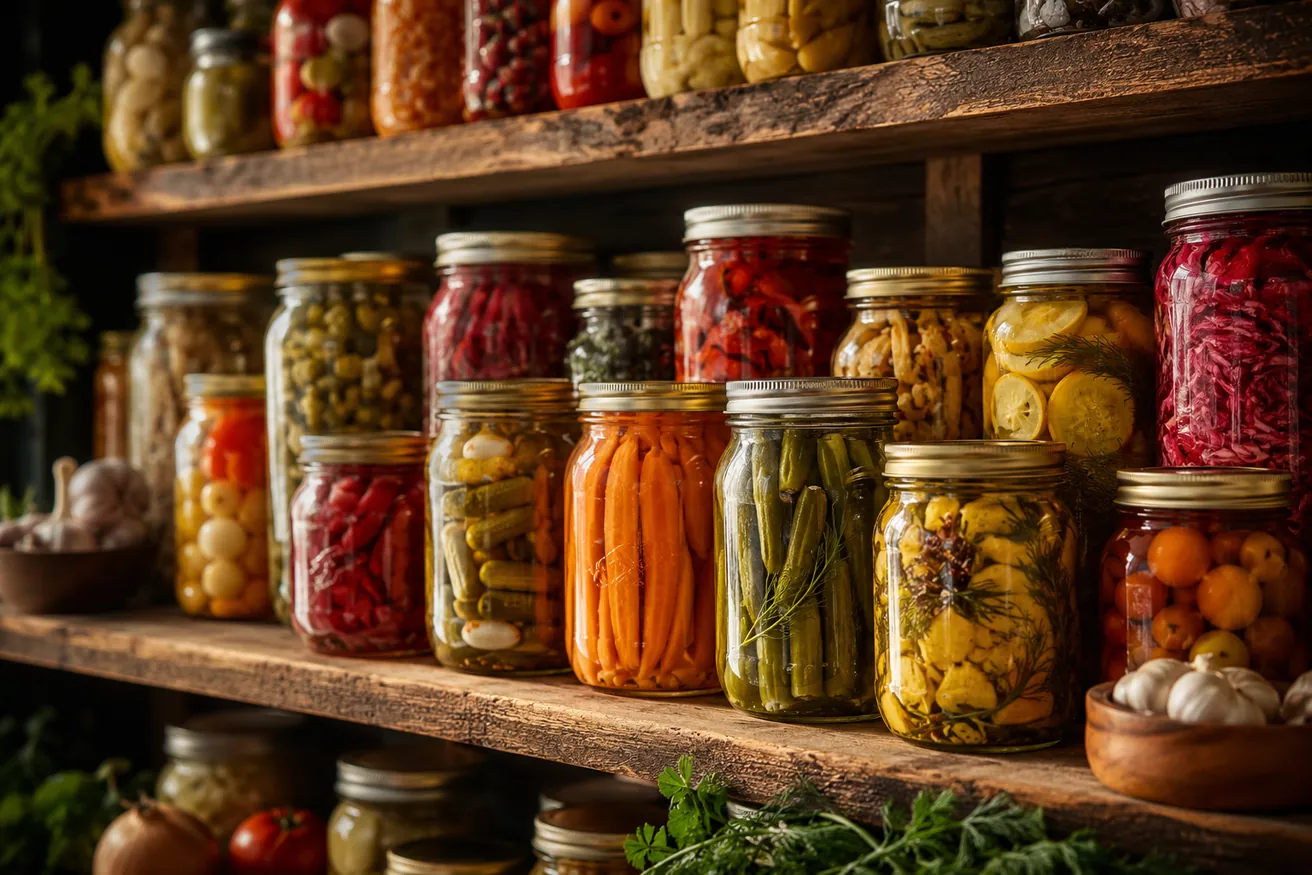
Pick shelf-stable foods your family already eats. The best stockpile is one you would happily eat on a normal week.
- Canned goods: beans, vegetables, soup, meat, fish.
- Dry staples: rice, pasta, oats, flour.
- Ready-to-eat: peanut butter, crackers, trail mix, canned fruit.
- Comfort and extras: coffee, salt, spices, a multivitamin.
Choose foods that need little or no cooking. In an outage you may not have a stove.
Common mistakes to avoid
- Buying food no one likes. It sits, then gets thrown out.
- Forgetting a can opener. Keep a manual one with the supply.
- No rotation. Date every item and eat the oldest first. This is the biggest waste-killer.
- Skipping water. Food without water is a half-finished plan.
- All beans, no balance. Aim for some variety so meals stay doable.
When a paid guide is worth it
You can plan a stockpile for free with a notebook and a calculator. A paid guide saves time by giving you ready-made charts, shopping lists, and storage methods, so you skip the trial and error.
The Stockpile Savior and the Food Stockpiling Challenge both give step-by-step plans with printable checklists and rotation trackers. Easy Cellar goes deeper on long-term storage and root cellars, and the Hidden Survival Food Farm covers growing food to refill your supply.
For a full breakdown, see our comparison of the best food storage guides of 2026. A guide helps you plan faster, but the real work is buying a little extra each week and rotating it. For a different angle, read our Concealed Carry Loophole review.
Our picks
 HIGHLY RATED
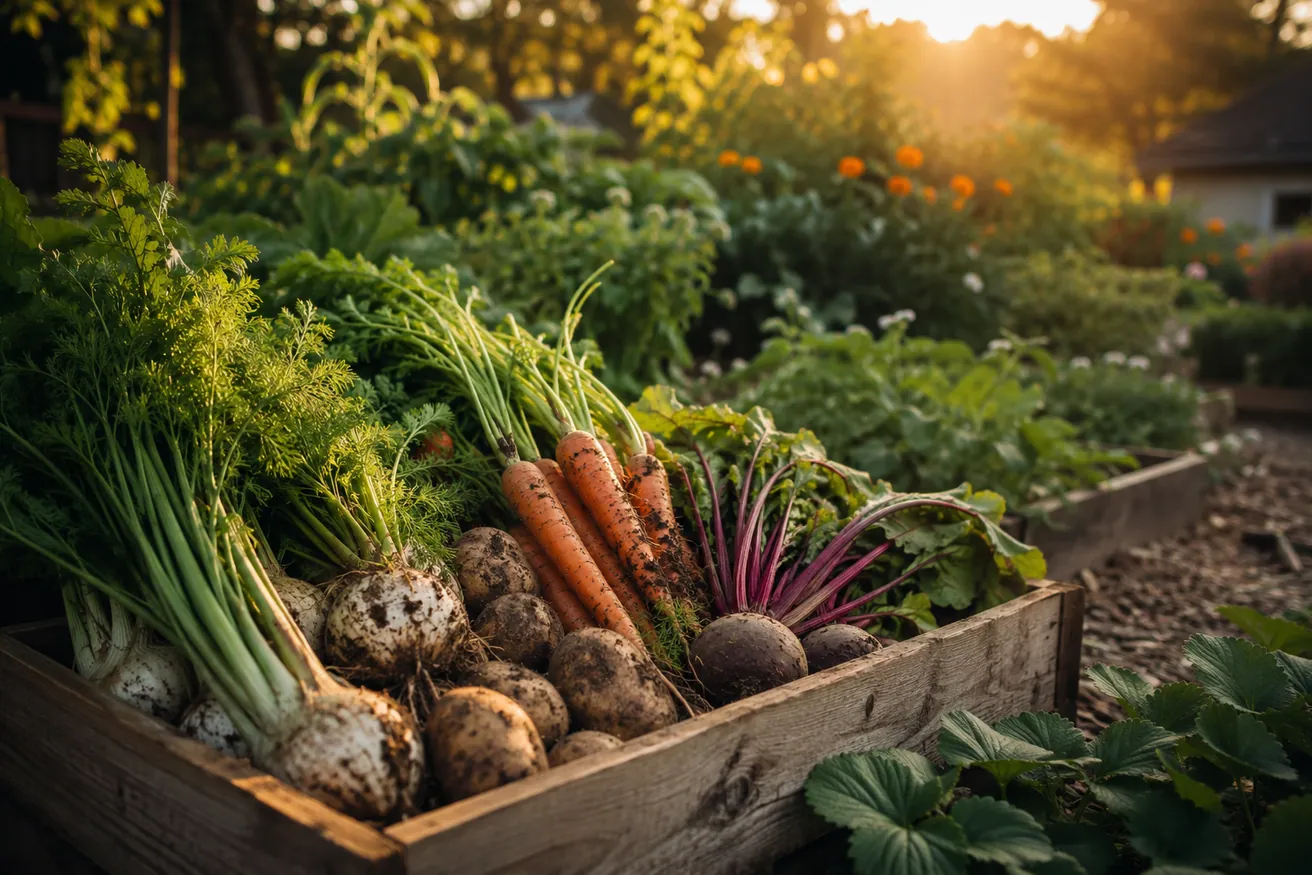
 Hidden Survival Food Farm
Preppers who have never gardened and want a structured, beginner-friendly food forest plan
$32
Get it now →Affiliate link: we may earn a commission at no extra cost to you. How links work.
 HIGHLY RATED
 The Stockpile Savior
First-time preppers who want the steps in order and one simple document to start
$32
Get it now →Affiliate link: we may earn a commission at no extra cost to you. How links work.
 HIGHLY RATED
 Food Stockpiling Challenge
First-time preppers who want a daily to-do list to get moving
$27
Get it now →Affiliate link: we may earn a commission at no extra cost to you. How links work.
Compare them all
Sources & further reading
- FEMA Ready.gov — Food and Water in an Emergency — Federal minimum food supply recommendations, shelf-stable food selection guidance, and rotation basics
- USDA FoodSafety.gov — USDA and HHS guidance on food storage timelines, safe rotation practices, and shelf life for emergency preparedness