Survival
Best Foraging Guides 2026: Wild Food & Herbal Remedy Books Ranked
The wild food foraging guides worth buying in 2026 — plant ID books, printable flashcards, and herbal remedy references ranked by content depth, safety framing, and honest price.
The Forager’s Guide to Wild Foods is our top pick for foraging guides in 2026 — 400-plus plants, 78 illustrated mushrooms, and GPS-linked maps in one reference, the most complete and field-usable guide we reviewed. Here is how we evaluated the full list.
Wild food foraging is one of the most skill-intensive parts of survival prep — and one of the most dangerous to do badly. A wrong identification can mean a minor stomach ache or a serious poisoning. The guides here are ranked on one question above all others: do they teach plant identification accurately, with strong safety framing, and enough photos or illustrations to be used in the field?
Good foraging content takes plant ID seriously. Bad foraging content gives you a romanticized vision of living off the land without the detail that would actually keep you safe.
The honest frame
Before buying any foraging guide, it helps to understand what’s realistic:
- Foraging is a skill, not a quick fix. You cannot read a guide on a Tuesday and safely forage on a Wednesday. The skill builds over time, in repeated encounters with real plants in real environments. A guide is a reference tool, not a shortcut.
- The “three-feature rule” saves lives. Before eating anything you forage, verify at least three independent visual features against your guide. One match is not enough. A guide that teaches this rule explicitly is worth more than one that doesn’t.
- Regional specificity matters. A guide written for the Pacific Northwest is less useful in Florida and vice versa. The more general a foraging guide is, the less specific plant ID it can provide.
- Free resources exist. The USDA Plants Database, state extension publications, and regional field guides from university presses often cover local plants at less cost and with more scientific rigor than digital survival guides. A paid guide earns its price through organization, photos, and structure — not through exclusive plant knowledge.
- The 60-day refund applies. All programs here use ClickBank’s refund window. Buy, review, refund if the content doesn’t match.
How to choose by how you’ll use it
If you want the best field guide for general wild food foraging: The Forager’s Guide to Wild Foods is the strongest all-around guide in this comparison — 200+ pages, real plant photos, a poisonous-plant section, and explicit three-feature identification protocol.
If you want a physical printed book you can take into the field: Foraging Secrets is available as a physical book (not just a PDF), which changes how you can use it. A waterproof physical reference holds up differently than a phone-based PDF.
If you want a pocket-sized quick-reference card: The Foldable Forager is a physical, wallet-sized guide, so you can check a plant on the trail. Use it alongside a fuller guide, because it is not comprehensive.
If herbal remedies and medicinal plants are the interest: Nature’s Armor is a herbal-remedy guide focused on medicinal applications rather than food foraging. Different goal, overlapping plant knowledge.
The Forager’s Guide to Wild Foods ($35): best all-around
A 200-page plant-ID and wild-food foraging guide with clear photographs, detailed plant descriptions, and the best safety framing in this comparison. The poisonous-plant section explicitly covers the most common dangerous look-alikes for edible species — the feature most foraging guides skip or minimize.
The three-feature identification protocol is taught as a rule, not a suggestion: before eating anything, verify leaf shape, growth habit, and at least one more distinctive feature against the guide. This framing alone makes the guide safer to use than most of its competitors.
Printable flashcards for common edible species are included — useful for building plant-recognition familiarity before you go into the field, rather than trying to do all your learning in the field itself.
The guide’s breadth is regional-general rather than regionally specific, which means it covers a wide range of plants but with less detail per plant than a dedicated regional field guide would provide. Use it as a general reference and verify against a regional field guide for your specific area before harvesting anything.
Best for: People who want a comprehensive starting guide to wild food foraging with solid safety framing and good plant ID photography. Skip if: You live in a very specific ecosystem (Pacific Northwest rainforest, Sonoran desert) where a dedicated regional field guide would be more precise. Price: $35 one-time. 60-day refund.
Foraging Secrets ($24): physical book option
A foraging guide available in physical book form rather than as a PDF download — which is meaningful for field use. A printed book with laminated or water-resistant pages survives a hike in a way a phone screen doesn’t. If you plan to actually carry your foraging reference into the field, physical format is a genuine advantage.
The content covers common edible wild plants with photos, preparation notes, and basic safety guidance. Less depth than The Forager’s Guide to Wild Foods on the poisonous look-alike section, but solid for the common species it covers.
The physical book also ships to you, which adds some delivery time. Confirm shipping regions and timeline before ordering. Our The Foldable Forager review has the full breakdown.
Best for: Field foragers who want a physical reference they can bring outdoors without worrying about battery life or screen visibility in bright light. Skip if: You want the most comprehensive digital guide with the deepest safety content. Price: $24 one-time (physical book + digital PDF). 60-day refund.
The Foldable Forager ($14.99 plus shipping): quick-reference card
You get a physical, wallet-sized, full-color guide to over 55 North American edible plants, trees, and nuts (the vendor’s count). The format is the point. You keep it in a jacket pocket and pull it out to confirm an ID in the field. We also have a related guide: Foldable Forager Video Review: What the Video Found.
You pay $14.99 plus $3.99 shipping, $18.98 for one copy (read on checkout 2026-10-07), which makes it the cheapest option here. The trade-off is depth. A pocket card cannot teach you plant ID from scratch, so pair it with a fuller guide. It suits beginners and intermediates who want a compact reference to carry.
Best for: Beginner and intermediate foragers who want a pocket reference to carry, so you can confirm field IDs. Skip if: You want to learn plant ID from scratch. Build the foundation with The Forager’s Guide to Wild Foods, then carry this as your field supplement. Price: $14.99 plus $3.99 shipping for one copy. Return within 60 days.
Nature’s Armor ($21): medicinal herbs and remedies
A herbal remedy guide focused on medicinal plant applications rather than food foraging — treating it as a distinct category, because it is. The plants overlap with edible foraging (many medicinal plants are also edible and vice versa), but the goal is different: this guide teaches you to recognize plants used in traditional herbal medicine and how they’re prepared for use.
The plant profiles include traditional uses, preparation methods (tinctures, teas, poultices), and notes on the scientific evidence (or lack of it) for each claimed use. The honest framing on evidence is notable — many herbal remedy guides overstate what’s proven. This one acknowledges where the research is thin.
At $21, it is the least expensive guide on this list. The medicinal angle makes it useful as a complement to a food-foraging guide, not a replacement for one.
Best for: People interested in herbal medicine and plant-based remedies, especially as a complement to a broader survival skill set. Skip if: Your primary interest is food foraging rather than medicinal plants. Price: $21 one-time. 60-day refund.
Which one to pick
For the most complete foraging education: The Forager’s Guide to Wild Foods ($35) is the best all-around guide in this group. Start here.
If you want a physical book for field use: Foraging Secrets ($24) is the only option here with a physical print edition. Worth the format difference if you hike.
If you already know the basics and want a field card: The Foldable Forager ($14.99 plus shipping) is a handy pocket supplement once you have the foundation.
For medicinal plants and herbal remedies: Nature’s Armor ($21) covers that specific angle more directly than any of the food-foraging guides.
What the refund window actually means
Every program here uses ClickBank’s 60-day refund window. That is enforced: buy, review, and if the content does not match what was described, email ClickBank support with your order ID. You do not need to contact the vendor. The refund processes.
Do you need a paid foraging guide?
The USDA Plants Database, university extension publications, and regional field guides from local university presses are free or low-cost and often more regionally specific than general digital survival guides. They are worth consulting first.
Paid guides earn their price when the organization, photos, and safety framing save you the research time of assembling the same information from scattered free sources. The Forager’s Guide to Wild Foods, in particular, earns its price through the poisonous look-alike section — that specific content is harder to assemble cheaply from free sources. Our Nature's Armor review has the full breakdown.
If you are starting from zero, do not go straight into the field with any guide, paid or free. Build your plant recognition on known-safe species first, use the three-feature rule on every identification, and consider a local foraging walk with an experienced guide as your first real-world lesson. Our Foraging Secrets review has the full breakdown.
All 4 programs in this guide
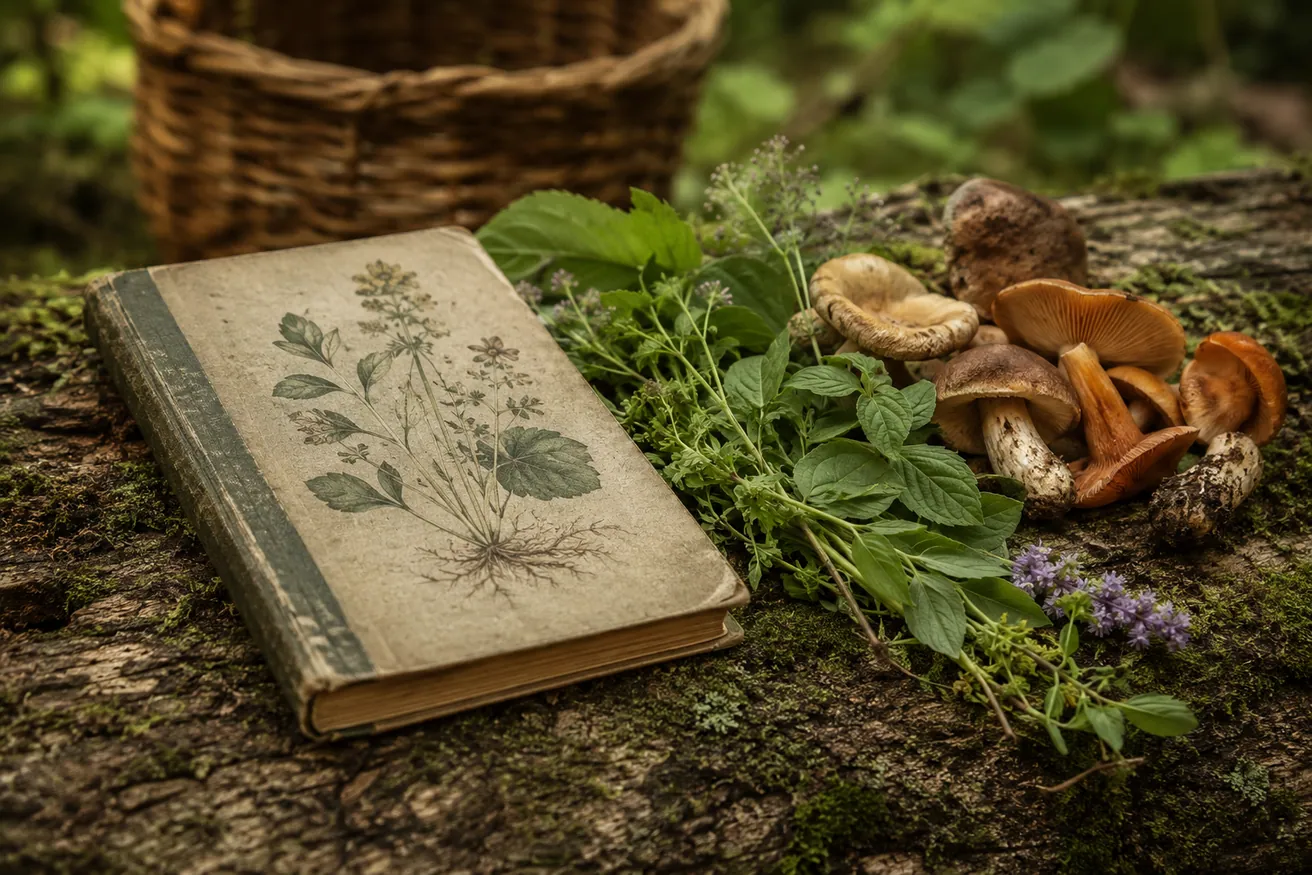 #1 TOP PICK
Foraging Secrets
Beginners who want one physical book to start identifying common wild edibles
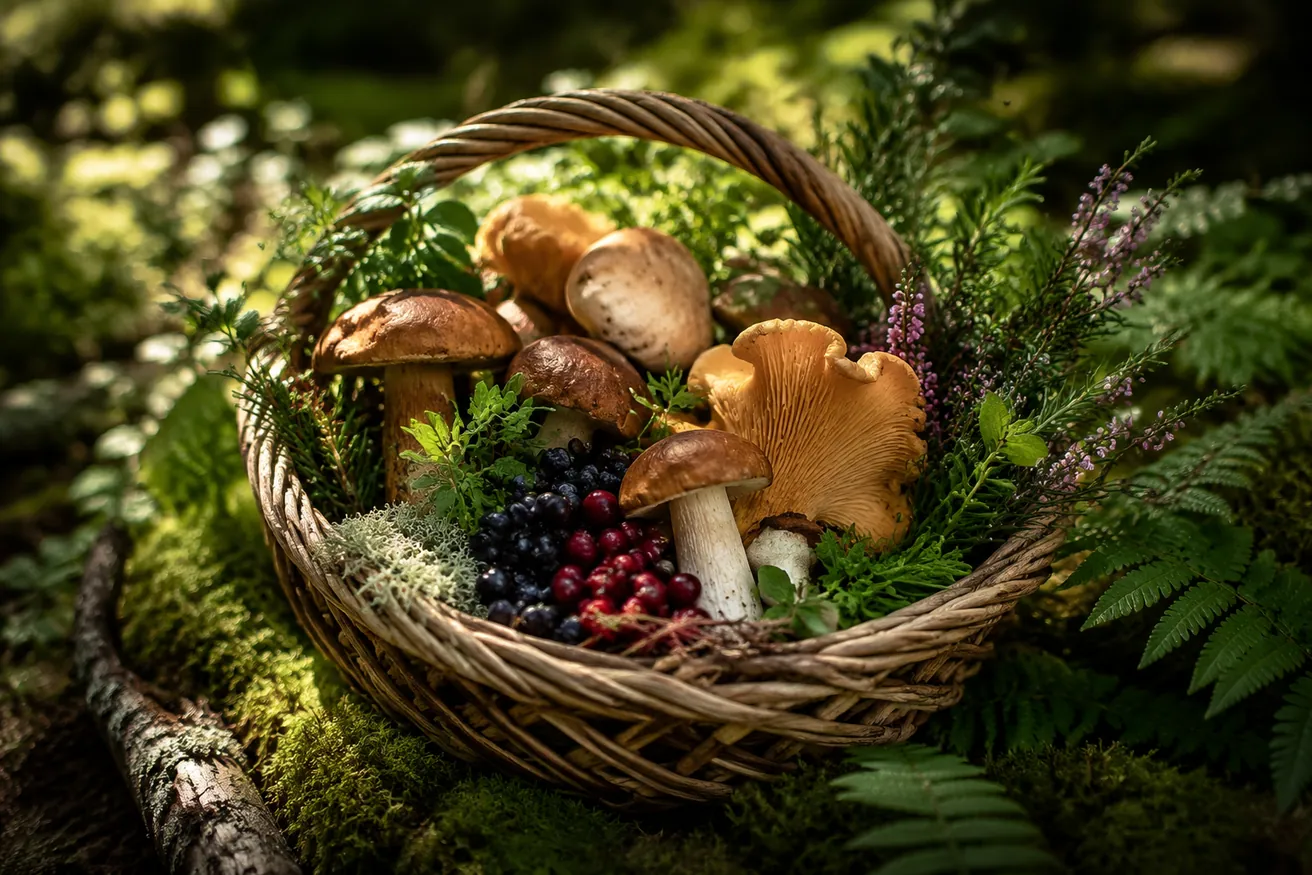 #2 HIGHLY RATED
The Forager's Guide to Wild Foods
Beginner foragers in North America who want one clear reference instead of assembling free material themselves
 #3 HIGHLY RATED
The Foldable Forager
First-time foragers who want a cheap, portable reference to common North American edibles
 #4 BEST VALUE
Nature's Armor
Absolute beginners who want one curated herbal guide under $25