Survival
Best Survival Food Storage Guides 2026: Ranked by What They Actually Teach
The food storage and stockpiling guides worth buying in 2026 — root cellar plans, long-shelf-life recipes, and backyard food systems ranked by content depth, honest price, and plain verdict.
The Lost SuperFoods is our top pick for food storage guides in 2026 — 126 forgotten survival foods and preservation methods in one reference, the most actionable and content-dense program we reviewed. Here is how we evaluated the full list.
A real food-storage plan answers three questions: what lasts, how long it lasts, and how you rotate it before it goes bad. Every guide on this list attempts to answer those questions. The better ones give you specific shelf-life data, rotation systems, and recipes for the foods that actually store well. The weaker ones sell the idea of self-sufficiency without the practical depth to get there.
The programs here are ranked by one standard: do the deliverables give you a working, buildable food reserve — not just a philosophy about preparedness?
The honest frame
Food-storage prep has a lot of overlap with homesteading, with urban gardening, and with general frugality. The programs here differ by emphasis: some are stockpile-focused (buy and store), some are growing-focused (produce your own), and one is cellar-storage-focused (build a root cellar). Start by identifying your actual gap before buying.
When evaluating these programs, we asked:
- Is the shelf-life data accurate? Stated shelf lives for common foods vary wildly in survival content. We checked against USDA food-safety guidelines and university extension publications.
- Are the projects buildable? A root cellar plan that requires a concrete pour and a backhoe is not a weekend project. We noted which projects are actually accessible for most people.
- What do you actually get? PDFs, video courses, physical books? Content lists matter more than sales-page claims.
- How does it compare to free alternatives? USDA food-safety publications, county extension guides, and university canning resources are free and often excellent. A paid guide earns its price by going deeper or organizing better.
- Is the 60-day refund real? Yes — all of these are on ClickBank. It’s enforced.
How to choose by your situation
If you want the most complete long-shelf-life recipe and food reference: The Lost SuperFoods is the strongest standalone guide in this group. 126 recipes with specific shelf lives and a science-backed approach to preservation.
If you want to build a root cellar for year-round food storage: Easy Cellar is the only guide here with detailed root-cellar construction plans. Irreplaceable if that’s your goal.
If you want a 30-day food challenge with grocery-store staples: The Food Stockpiling Challenge (formally “Hottest Market Trend Food Stockpiling”) is structured as a 30-day daily challenge that builds a real pantry buffer using ordinary supermarket items.
If you want a backyard growing and preserving system: The Backyard Miracle Farm and Hidden Survival Food Farm are both focused on producing food rather than buying and storing it. Different approach, different investment of time and land.
If budget is tight: Pocket Farm ($35) is a compact guide that covers both small-scale growing and short-term food storage in one inexpensive PDF.
The Lost SuperFoods ($47): best for long-shelf-life prep
A 126-recipe digital guide focused specifically on foods that store for years without refrigeration — calorie-dense staples from historical self-sufficiency traditions updated with modern preservation science. Each recipe includes a verified shelf life, storage conditions, and caloric density — making this the best organized food-stockpile reference in this comparison.
The standout section: long-shelf-life protein sources. Most food-storage guides focus on carbohydrates (grains, legumes). This guide gives specific attention to preserved meats, dried eggs, and high-fat foods with surprising longevity — useful for building a nutritionally balanced reserve, not just a calorie reserve.
The shelf-life card for 26 common foods is laminate-ready and immediately usable. That single artifact is worth $47 to someone building a serious stockpile. We also have a related guide: How Much Food to Stockpile for Emergencies.
Best for: Preppers who want a science-backed, recipe-organized guide to building a long-term food reserve. Most useful if you want to go beyond beans-and-rice basics. Skip if: You’re primarily interested in growing food rather than buying and preserving it. Price: $47 one-time. 60-day refund.
Easy Cellar ($54): the root cellar specialist
The only guide in this comparison with detailed root-cellar construction plans — and that specificity is the entire case for it. If you have a yard or rural land and want a climate-controlled underground food-storage room, Easy Cellar gives you the plans, materials list, drainage details, and a step-by-step construction sequence that an experienced DIYer can follow.
The guide also covers what to store and why the root-cellar environment (cool, dark, high humidity) extends shelf life for specific foods that don’t store well in pantry conditions: root vegetables, hard cheeses, apples, and fermented foods all last dramatically longer in a root cellar than at room temperature.
The construction section distinguishes between a full root cellar (requires excavation, a door, and ventilation tubes) and a simpler “mini root cellar” option (an insulated box in an existing basement or crawl space) that’s accessible for renters or people in cold climates without outdoor space.
Best for: Homeowners with a yard who want a long-term, climate-controlled food storage solution and are willing to do a meaningful DIY project to get it. Skip if: You’re in an apartment, don’t have outdoor access, or want a simpler stockpile approach without construction. Price: $54 one-time. 60-day refund.
Food Stockpiling Challenge ($27): 30-day grocery-store approach
A structured 30-day daily challenge that builds a real food buffer using ordinary supermarket staples — no specialty survival food, no freeze-dried pouches, no root cellar. Each day’s assignment is a specific item or group of items to add to your pantry, with storage instructions and rotation notes.
The appeal: you can start this with a single trip to a regular grocery store, and you’ll have a 30-day food buffer at the end of the month. The structure makes it easy to follow without feeling overwhelmed by the scope of “building a food stockpile.”
At $27, this is the most affordable paid guide in this comparison. The shelf-life data is less detailed than The Lost SuperFoods, but the daily-action structure makes it the easiest to actually follow.
Best for: Beginners who want to start immediately with grocery-store items and prefer a step-by-step daily structure over a comprehensive reference guide. Skip if: You want detailed preservation science, recipes, or construction plans. Price: $27 one-time. 60-day refund.
The Backyard Miracle Farm ($35): food production, not storage
A backyard food-production guide focused on building a small, sustainable growing system from whatever outdoor space you have — from a full yard to a balcony with container gardens. The guide covers what to grow (calorie-dense, easy-storing varieties), how to set up the system, and basic preservation methods for the harvest.
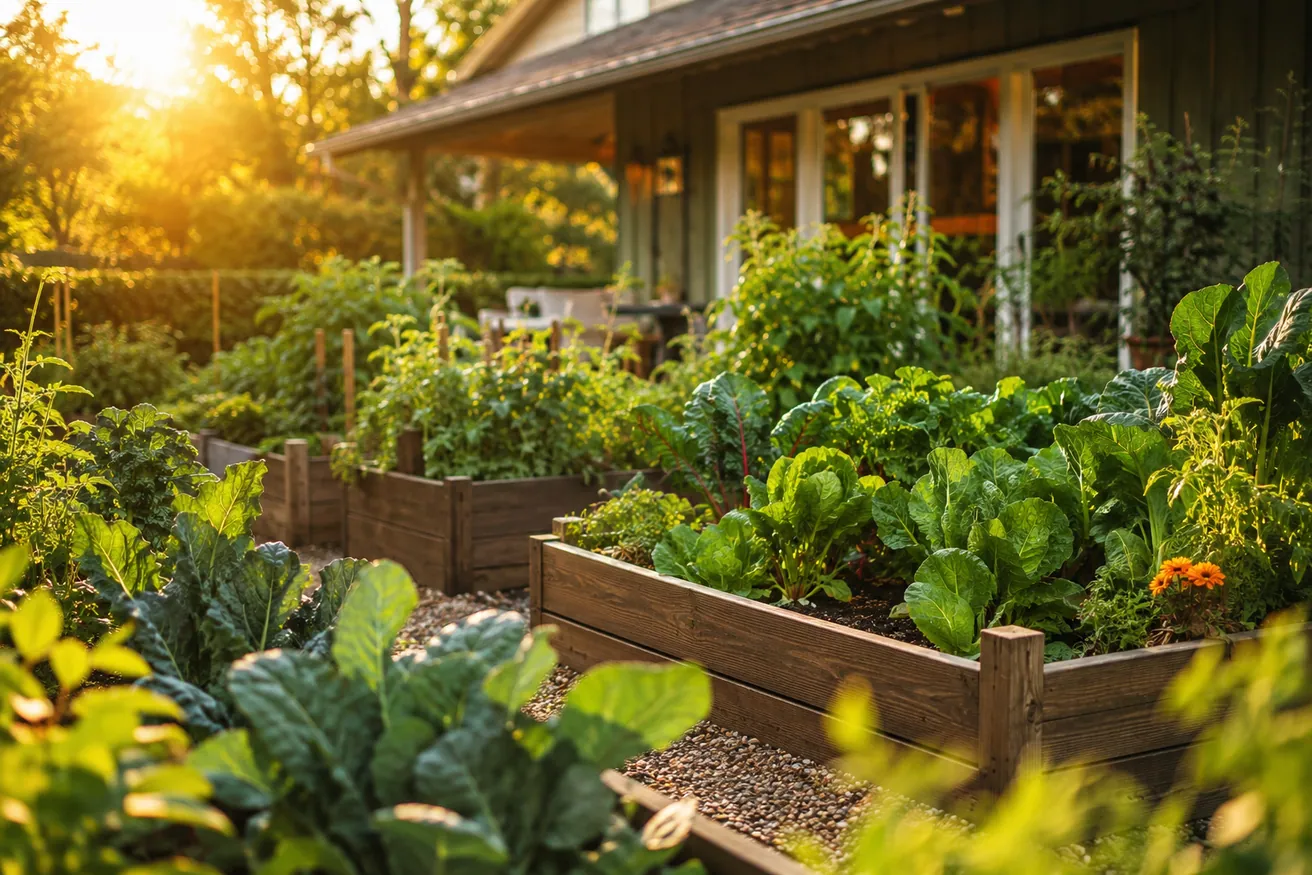
The growing system described is a combination of raised beds, companion planting, and perennial food crops — designed to produce continuously rather than requiring replanting every season. The perennial-crop section is the most distinctive element: plants like comfrey, rhubarb, and asparagus that require minimal maintenance after establishment. Our The Backyard Miracle Farm review has the full breakdown.
This is a production guide, not a stockpile guide. If you want to grow food rather than buy and store it, this is the right category. If you want a ready food reserve quickly, the stockpile-focused guides above are a faster path.
Best for: People with outdoor growing space who want a self-sustaining food production system over the long term. Skip if: You’re in an apartment or want a ready food reserve in 30 days rather than a multi-season growing project. Price: $35 one-time. Note: the checkout may include a recurring subscription option — decline it if you only want the guide. 60-day refund.
Hidden Survival Food Farm ($31): hidden growing system
A guide focused on a specific concept: growing food in non-obvious locations — between ornamental plants, in a front yard disguised as landscaping, in a community space that neighbors don’t identify as a food garden. The framing is about building a productive garden without advertising that you’re a prepper.
The practical content covers what to plant (varieties that don’t look like a typical vegetable garden from a distance), how to integrate food plants into existing landscaping, and basic preservation for the harvest.
At $31, it is a niche guide solving a specific problem. If you want a more comprehensive production system, The Backyard Miracle Farm is more complete. If the “hidden garden” angle is specifically what you need (urban growing, HOA-restricted areas, low-profile prepping), this fills that gap.
Best for: Urban or suburban preppers who want to grow food discretely without an obvious vegetable garden. Skip if: You want a comprehensive growing system or are focused on stockpiling rather than production. Price: $31 one-time. 60-day refund.
Pocket Farm ($35): compact all-in-one
A compact PDF that covers both small-scale food growing and short-term food storage in one guide — essentially a starter’s version of both The Backyard Miracle Farm and a basic stockpile guide combined. Less depth than either standalone guide, but useful if you want a general introduction to both approaches in one place. Our The Stockpile Savior review has the full breakdown.
The guide is beginner-accessible and avoids the technical depth that can make more comprehensive guides feel overwhelming. Good starting point; less useful as an advanced reference.
Best for: Absolute beginners who want a single compact guide covering both growing and storage basics before committing to a more specialized program. Skip if: You already have a solid grasp of either food storage or growing, and want to go deeper on one. Price: $35 one-time. 60-day refund.
The Stockpile Savior ($31): focused rotation guide
A guide focused specifically on the rotation and management side of food stockpiling — a problem that most other guides address briefly but this one centers. The main content covers how to set up a first-in, first-out rotation system, how to track what you have, and how to prevent the common situation where your emergency stockpile goes bad before you need it.
Less useful as a “what to stockpile” guide; more useful as a “how to manage what you have” system. Best paired with a guide that covers content (what to buy) while this one covers process (how to rotate and manage it).
Best for: People who already have some food stockpile and want a systematic approach to rotation and management. Skip if: You’re starting from zero and need guidance on what to buy and how to store it. Price: $31 one-time. 60-day refund.
Which one to pick
For the best long-shelf-life reference: The Lost SuperFoods ($47) is the strongest recipe-and-science guide in this group. The laminate-ready shelf-life card alone is worth the price.
If you want to build a root cellar: Easy Cellar ($54) is the only guide with real construction plans. Nothing else on this list fills that gap.
To start immediately with grocery-store items: The Food Stockpiling Challenge ($27) gives you a 30-day daily structure using ordinary supermarket staples. Cheapest and fastest to actionable.
For backyard food production: The Backyard Miracle Farm ($35) for a full system; Hidden Survival Food Farm ($31) if you want a low-profile urban approach.
For stockpile management: The Stockpile Savior ($31) is the most focused guide on rotation and waste prevention — best as a complement to a content guide, not a standalone.
What the refund window actually means
Every program here uses ClickBank’s 60-day refund window. That is enforced: buy, download, review, and if the guide does not match what was described, email ClickBank support with your order ID. You do not need to contact the vendor. The refund processes. This is your inspection period.
Do you need a paid food-storage guide?
USDA food-safety publications, university extension canning guides, and county emergency-management documents cover the basics at no cost. They are excellent starting points.
Paid guides earn their price when you want one organized plan instead of twenty scattered sources — especially for specific gaps like root-cellar construction plans (Easy Cellar), verified long-shelf-life recipes (The Lost SuperFoods), or a structured 30-day start (Food Stockpiling Challenge). Our Hidden Survival Food Farm review has the full breakdown.
Start with a free FEMA household food inventory checklist. A paid guide is the next step — it fills in the specifics that take hours to assemble from free sources. Our Food Stockpiling Challenge review has the full breakdown.
All 7 programs in this guide
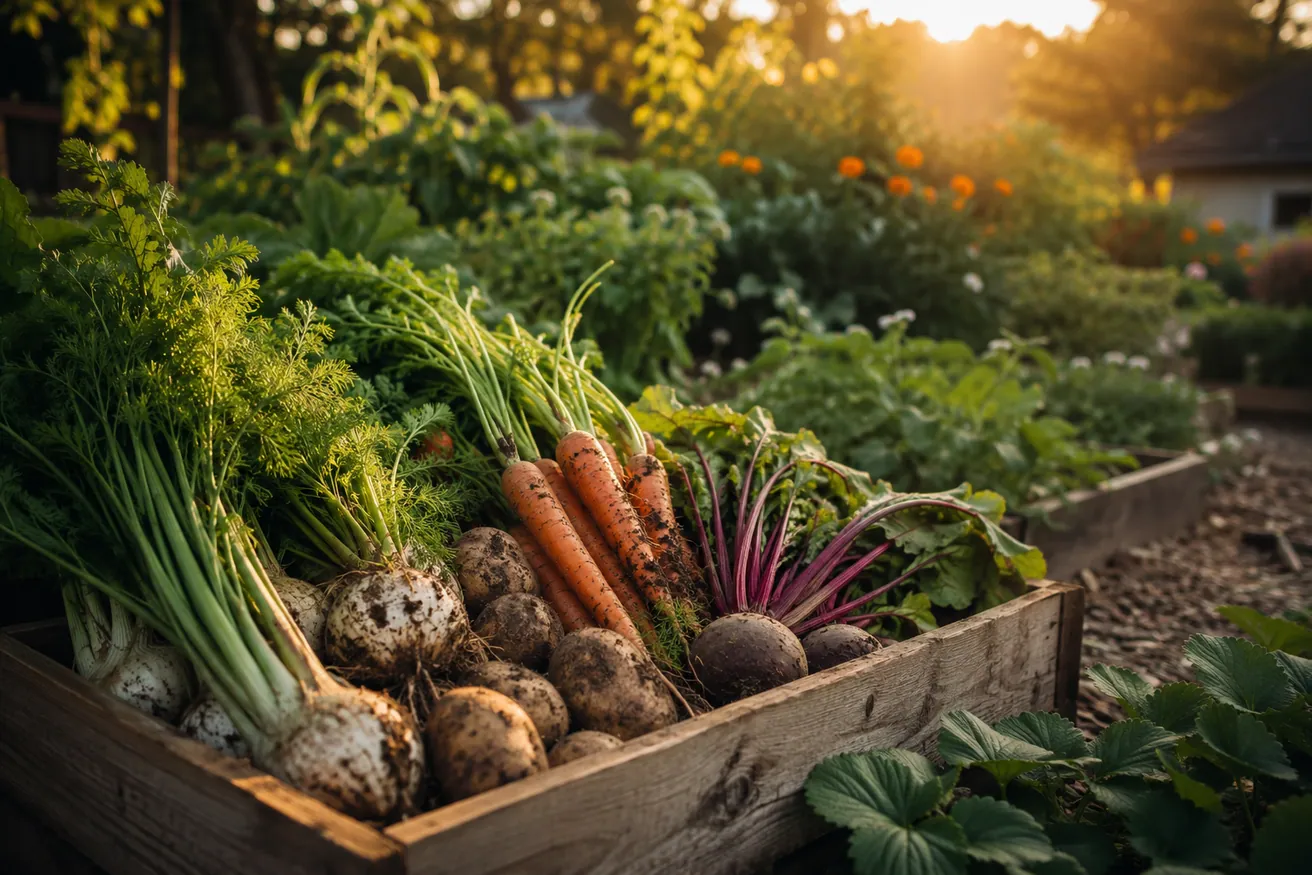 #1 TOP PICK
Hidden Survival Food Farm
Preppers who have never gardened and want a structured, beginner-friendly food forest plan
 #2 HIGHLY RATED
Easy Cellar
Beginners who want a single bundled guide with plans in order, instead of hunting down scattered free advice.
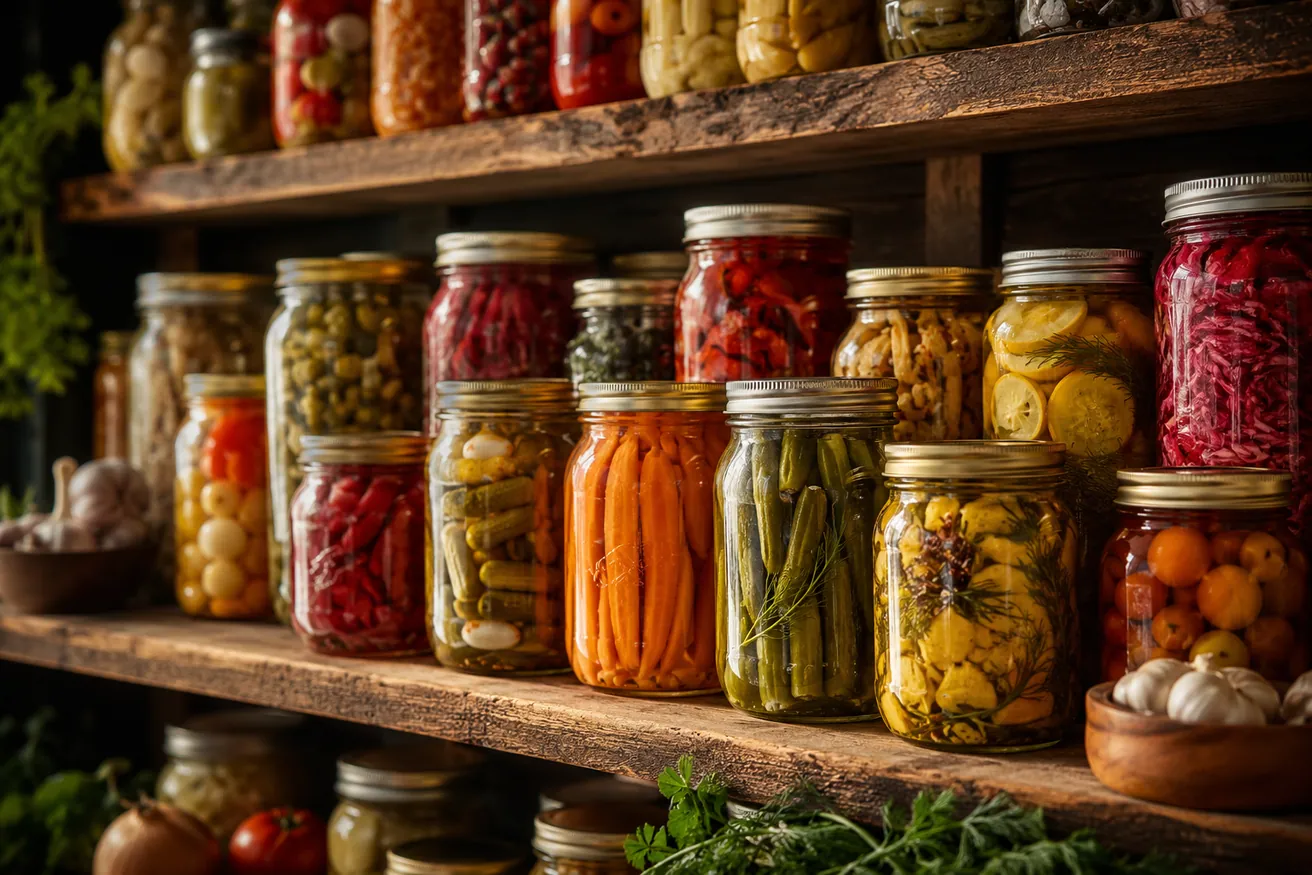 #3 HIGHLY RATED
Food Stockpiling Challenge
First-time preppers who want a daily to-do list to get moving
 #4 HIGHLY RATED
Pocket Farm
Apartment dwellers and renters who want a simple, ordered start to container gardening.
 #5 HIGHLY RATED
The Lost SuperFoods
Beginners to food storage who want one curated document instead of assembling free material themselves
 #6 HIGHLY RATED
The Stockpile Savior
First-time preppers who want the steps in order and one simple document to start
 #7 BEST VALUE
The Backyard Miracle Farm
Beginners who want a single, ordered starter kit with the steps laid out